Svalbard, Norway: The Complete Guide to Polar Bears, Glaciers and the Arctic Night
Svalbard is the closest most travellers will ever come to the top of the world. This Norwegian archipelago lies halfway between mainland Norway and the North Pole, at 78 degrees north, where glaciers cover sixty percent of the land, polar bears outnumber people in the wild, and the sun does not set for four months of the year.
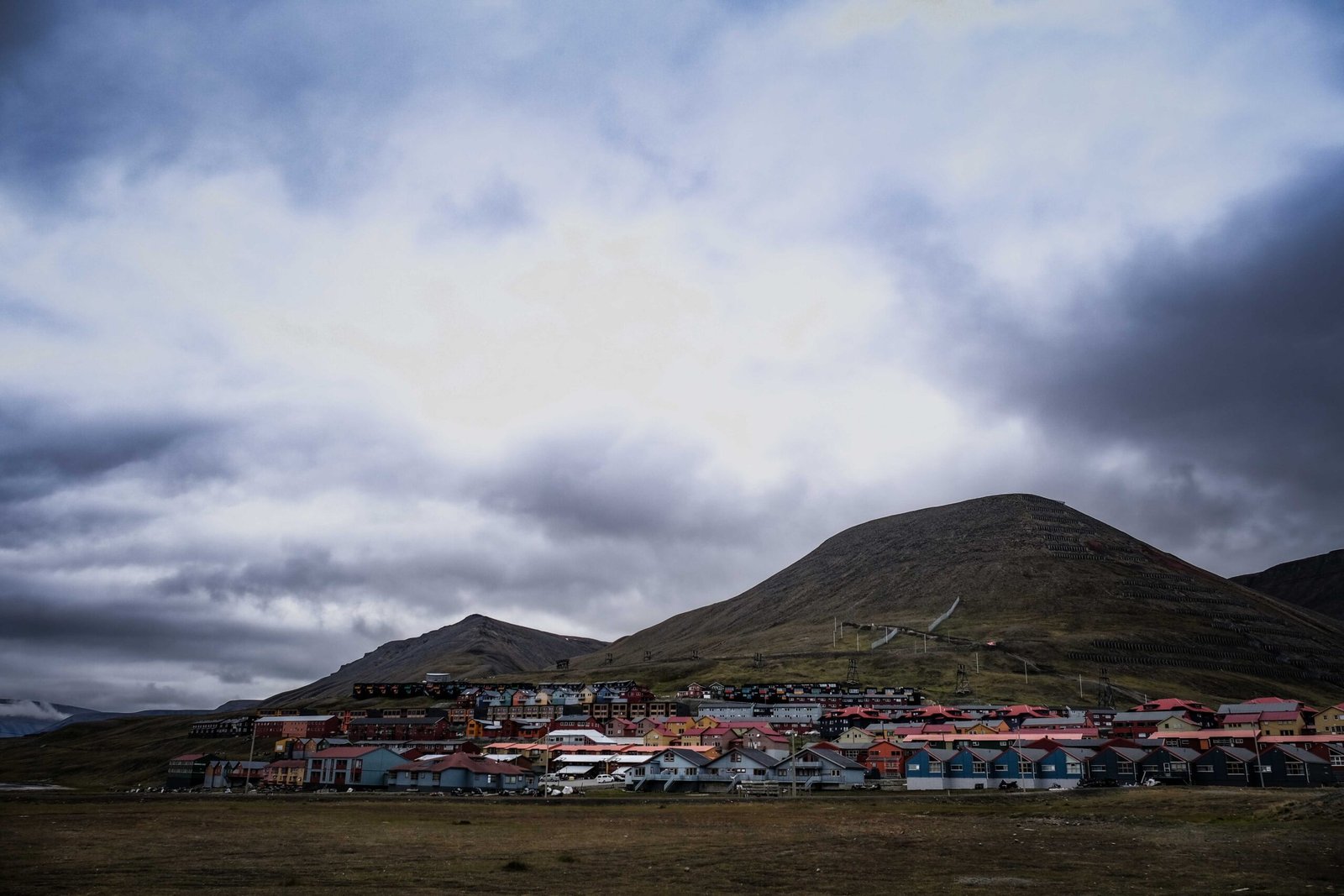
For a nature traveller, Svalbard is the ultimate frontier. You can watch polar bears from a ship, walk on glaciers that flow into the sea, and see walruses, reindeer and Arctic foxes in a landscape that feels like the beginning of the world. Longyearbyen, the main settlement, is a small town of colourful houses, research stations and expedition boats, and it is one of the northernmost towns on Earth. This guide covers everything you need to plan a trip to Svalbard, from polar bear safety to the best time to visit, so you can experience the High Arctic with confidence.
Why Svalbard Belongs on Your List
There is nowhere else on Earth quite like Svalbard. It is a place of superlatives: the northernmost permanently inhabited place on the planet, home to about three thousand polar bears and fewer than three thousand people, and a land where glaciers, fjords and tundra stretch to the horizon in every direction. The light is unlike anything else, with the midnight sun in summer, the blue twilight of the polar night in winter, and the Northern Lights dancing across the sky on dark autumn nights.
What makes Svalbard special is that it is still genuinely wild. There are no roads between settlements, and the only way to explore most of the archipelago is by boat, snowmobile or on foot with a guide. You will not find crowds, traffic or theme parks here, only silence, space and the thrill of being in a landscape that belongs to the animals. It is also a place of science and history, with research stations, old mining towns and the famous Global Seed Vault, which stores seeds from around the world in a mountain near Longyearbyen.
Where Svalbard Is and How to Get There
Svalbard is a Norwegian archipelago in the Arctic Ocean, about halfway between the north coast of Norway and the North Pole. The three largest islands are Spitsbergen, Nordaustlandet and Edgeoya, and most visitors spend their time on Spitsbergen, where Longyearbyen, the main settlement, sits on the shore of Isfjorden. The archipelago is governed by Norway under the Svalbard Treaty of 1920, which gives citizens of many countries the right to live and work here, and the population of about three thousand people includes Norwegians, Russians, Thais and researchers from around the world.
Getting to Svalbard is easier than you might think. Flights from Oslo and Tromso take about three hours to Svalbard Airport in Longyearbyen, with a short stop in Tromso on most routes, and there are also flights from Moscow to Barentsburg. There are no roads to the outside world, and no ferries from mainland Norway, so flying is the only practical way to arrive. Once you land, Longyearbyen is small enough to explore on foot, and most excursions leave from the harbour or from the hotels, with boats in summer and snowmobiles in winter.
The Best Time to Visit Svalbard: Midnight Sun and Polar Night
Svalbard has two extreme seasons, and the best time to visit depends on what you want to see. The midnight sun shines from late April to late August, when the sun never sets and the light is golden at midnight, and this is the best time for boat trips, hiking and wildlife watching. June and July are the warmest months, with temperatures around five to eight degrees, and the sea ice has retreated enough for expedition ships to reach the north coast and the edge of the pack ice, where polar bears hunt seals.
The polar night lasts from late November to late January, when the sun does not rise at all and the sky is a deep blue twilight at midday. This is the best time for the Northern Lights, which dance across the sky on clear nights, and for snowmobile expeditions across the frozen fjords. March and April are a favourite time for many visitors, with long days, good snow, and the chance to see both the Northern Lights and the returning sun. Whatever the season, pack very warm layers, a windproof outer shell, and good boots, because the Arctic wind is cold even in summer.
Polar Bears and Arctic Wildlife
Polar bears are the reason many people dream of Svalbard, and they are the reason you must never travel alone outside the settlements. About three thousand polar bears live in the Svalbard area, and they are powerful, curious and perfectly adapted to the ice. The best way to see them is from a boat, especially on expedition cruises that sail along the north coast and to the edge of the pack ice in summer, where bears hunt seals on the ice floes. A good guide, a good pair of binoculars and patience are all you need, and the moment a bear appears on the ice is one you will never forget.
Svalbard wildlife goes far beyond polar bears. Walruses haul out on beaches in large groups, bearded seals rest on ice floes, and Arctic foxes, white in winter and brown in summer, hunt lemmings on the tundra. Svalbard reindeer, smaller and fatter than their mainland cousins, graze near Longyearbyen, and in summer the cliffs are full of seabirds, with little auks, guillemots and puffins nesting in their thousands. Always keep a safe distance, never feed wild animals, and follow your guide, because in Svalbard the wildlife is wild in the truest sense.

Glaciers, Fjords and Expeditions
Glaciers cover about sixty percent of Svalbard, and they are the landscape. The great ice caps of Austfonna and Vestfonna, the tidewater glaciers that calve icebergs into the fjords, and the blue ice caves that form in winter are among the most impressive sights in the Arctic. Boat trips from Longyearbyen take you to the Monaco Glacier, where the ice wall is several kilometres wide, and to the fjords of the west coast, where you can watch glaciers calve and listen to the thunder of falling ice.
Expedition cruises are the best way to see the wilder parts of Svalbard. Small ships sail around Spitsbergen in summer, stopping at old whaling stations, walrus beaches and bird cliffs, and larger ships sail to the north coast and the edge of the pack ice. Day trips include glacier hikes, kayaking among icebergs, and snowmobile safaris in winter, when the fjords freeze and the landscape becomes a vast white desert. Choose a small, responsible operator, dress for the cold, and be ready for the weather to change in minutes, because in the Arctic the conditions are always in charge.
Longyearbyen: Life at 78 Degrees North
Longyearbyen is one of the most unusual towns on Earth. Founded as a coal mining town, it is now a centre for Arctic research, tourism and education, with a university, a museum, a brewery and more snowmobiles than cars. The town has colourful wooden houses, a church that welcomes everyone, and a sign warning of polar bears at the edge of town. It is also the place where you cannot be buried, because the permafrost preserves bodies, and where cats are banned, because they threaten the birdlife.
Where to Stay and How to Get Around
Most visitors to Svalbard stay in Longyearbyen, where you will find hotels, guesthouses and expedition lodges, as well as restaurants serving Arctic char, reindeer and whale, and shops selling outdoor gear. Accommodation is expensive and limited, so book well ahead, especially in summer and for the polar night season. There are no roads outside Longyearbyen, so getting around means walking in town, taking a boat in summer, or joining a snowmobile or dog sled tour in winter, all with a guide and polar bear protection.
Practical Tips for Visiting Svalbard
Never leave Longyearbyen or any settlement without a guide, a rifle and polar bear protection, because polar bears are a real and serious danger outside the towns. Book guided trips for everything beyond the town limits, carry warm layers and a windproof shell, and bring sunglasses and sunscreen, because the snow and the midnight sun are bright. The currency is the Norwegian krone, most places take cards, and the shops in Longyearbyen are well stocked, although prices are high because almost everything is shipped in.
Frequently Asked Questions About Svalbard
When is the best time to see polar bears in Svalbard? The best time to see polar bears in Svalbard is in summer, from June to August, when expedition ships sail to the north coast and the edge of the pack ice, where bears hunt seals. Sightings are never guaranteed, but a good expedition in July gives you the best chance.
Is Svalbard safe for visitors? Svalbard is safe for visitors who follow the rules. Never travel outside the settlements without a guide and polar bear protection, stay on marked paths in Longyearbyen, and listen to your guide. The main risks are the cold, the weather and polar bears, and all three are manageable with the right preparation.
Do you need a visa to visit Svalbard? Svalbard is part of Norway, but it is outside the Schengen area, so you will pass through passport control in Tromso or Oslo on your way here. Most visitors from Europe, North America and many other countries do not need a visa for a short stay, but check the rules for your nationality before you travel.
What is the midnight sun in Svalbard? The midnight sun is the period from late April to late August when the sun never sets in Svalbard, and the sky stays light all night. It is a strange and wonderful experience to hike at midnight in daylight, and many visitors say it is the most memorable part of a Svalbard trip.
Can you see the Northern Lights in Svalbard? Yes, Svalbard is one of the best places in the world to see the Northern Lights, because it lies under the auroral oval and has long, dark nights from October to March. The lights can appear on any clear night, and the best viewing is away from the lights of Longyearbyen.
Conclusion: Svalbard Is the Arctic at Its Best
Svalbard is not an easy trip, and it is not a cheap one, but it is one of the most rewarding journeys a nature traveller can make. Polar bears on the ice, glaciers calving into the sea, the midnight sun and the Northern Lights, and a small town at the edge of the world all combine to make the High Arctic unforgettable. Come prepared, travel with a good guide, and let the wildness of Svalbard work its magic. If Svalbard has sparked your love of the far north, keep exploring with our guide to the Lofoten Islands and the Galapagos Islands, two more island journeys full of wildlife and wonder.