Mount Kinabalu, Malaysia: Complete Guide to Climbing, the Via Ferrata and the Best Time to Visit
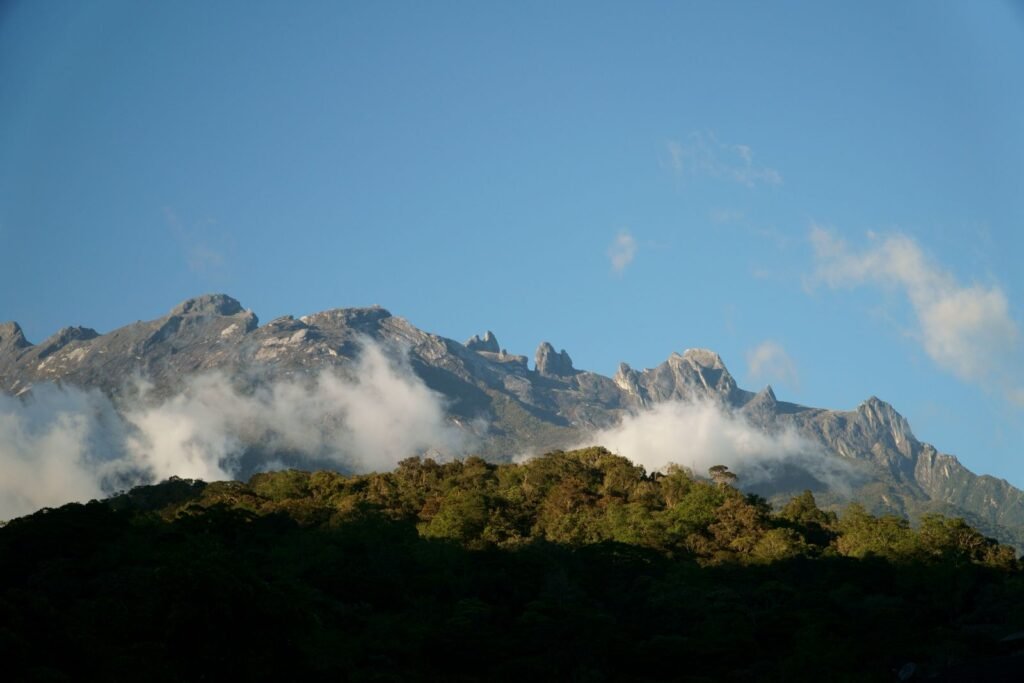
Mount Kinabalu is the highest mountain in Malaysia and on the island of Borneo, a granite giant that rises 4,095 metres above the rainforests of Sabah. It is the centrepiece of Kinabalu Park, a UNESCO World Heritage Site, and one of the most rewarding climbs in South-East Asia: a two-day trek from steamy lowland forest to a bare granite summit where the sunrise breaks over a sea of clouds. You do not need technical climbing skills to reach the top, but you do need fitness, a permit, and a willingness to wake at two in the morning.
This guide covers everything you need to plan a Mount Kinabalu climb, from the two trails and the via ferrata to permits, costs, the best time to climb, where to stay, and how to prepare for the altitude. Whether you are an experienced hiker ticking off a bucket-list peak or a first-time trekker looking for a real challenge, Kinabalu is a mountain that stays with you long after you come down.
Mount Kinabalu is more than a climb. The mountain is sacred to the Kadazan Dusun people, who believe the spirits of their ancestors rest on its summit, and its slopes hold one of the richest floras on Earth, from giant rafflesia flowers to pitcher plants and more than a thousand species of orchid. Climbing Kinabalu is a journey through four vegetation zones in a single day, and a lesson in how much life a single mountain can hold.
Where Mount Kinabalu Is and What Makes It Special
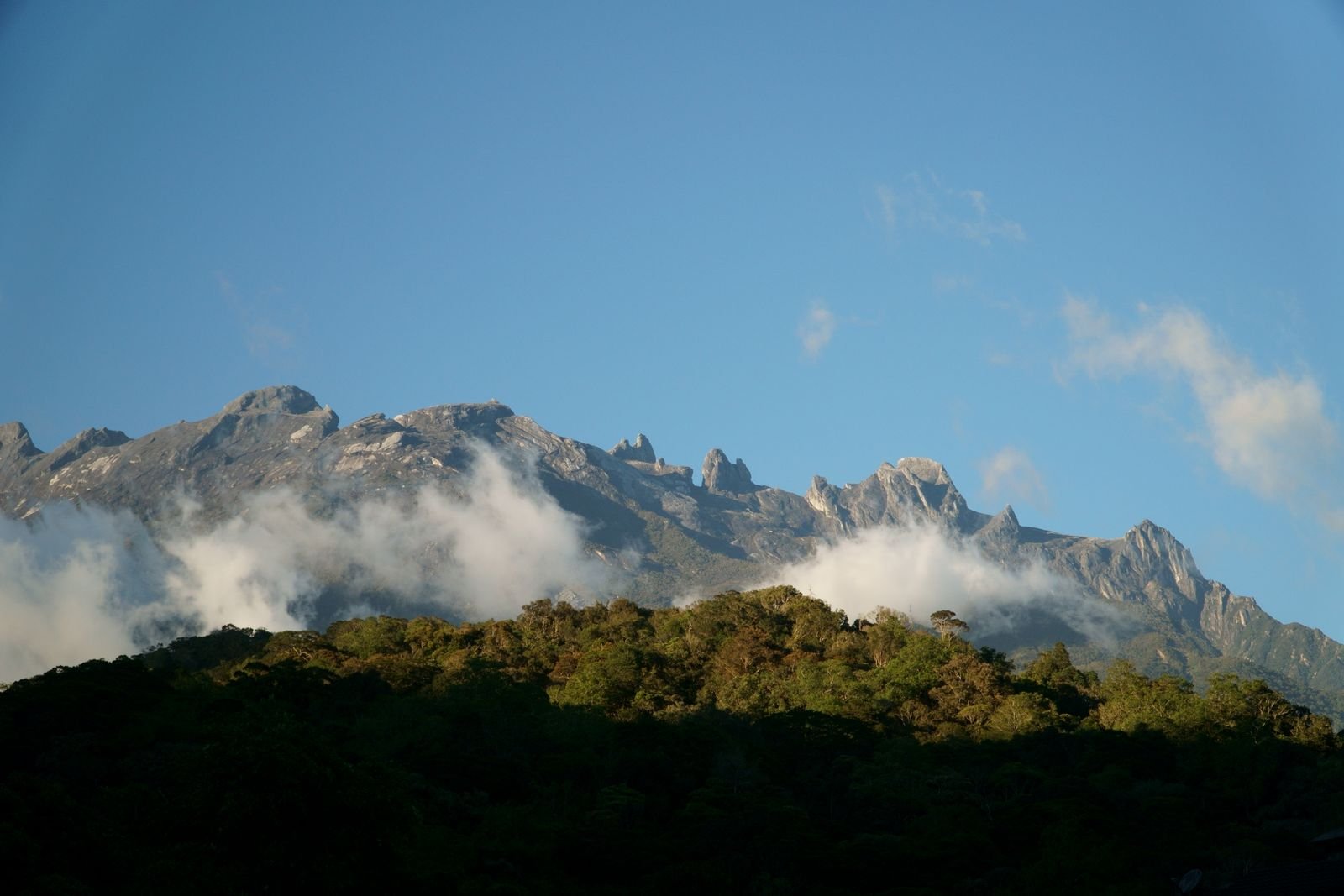
Mount Kinabalu stands in Kinabalu Park, in the state of Sabah on the Malaysian part of Borneo, about 90 kilometres north-east of the capital, Kota Kinabalu. The park covers 754 square kilometres of mountain forest, and the mountain itself is a massive granite intrusion, a single great rock that was pushed up and then carved by ice into the jagged peak you see today. Its summit, Low’s Peak, is named for Hugh Low, the British colonial administrator who made the first recorded ascent in 1851.
What makes Mount Kinabalu special is its combination of height, accessibility, and biodiversity. At 4,095 metres, it is the highest peak between the Himalayas and the mountains of New Guinea, yet it can be climbed in two days without ropes or technical equipment. The mountain’s isolation has made it a centre of endemism: many of its plants and animals are found nowhere else on Earth, and the climb passes through lowland rainforest, montane forest, cloud forest, and finally bare granite, all in a single ascent.
Kinabalu is also a mountain of the people. The Kadazan Dusun, the largest indigenous group in Sabah, regard the mountain as sacred, and a ceremony is still held each year to appease the spirits of the summit. Climbers are asked to respect the mountain, and the park’s rules, including the requirement to climb with a licensed guide, are part of a system that protects both the mountain and the communities that live around it.
The Climb: Timpohon Gate to Low’s Peak
Almost all climbers take the Timpohon Gate trail, which starts at 1,866 metres at the park headquarters and climbs 6 kilometres to Laban Rata, the cluster of resthouses at 3,272 metres where climbers spend the night. The trail is well maintained, with steps, handrails, and shelters, but it is steep and relentless: you gain more than 1,400 metres on the first day, and the air thins noticeably as you climb.
Day one usually takes four to six hours, depending on your pace, and the forest changes as you ascend. The lowland rainforest gives way to montane forest with moss-covered trees, then to cloud forest where the trees shrink and the air fills with mist. By the time you reach Laban Rata, the trees have given way to shrubs and the granite of the summit is visible above you. Dinner is served early, and most climbers are asleep by seven in the evening.
Day two starts at about two in the morning, with a climb of 2.7 kilometres to the summit that takes two to four hours. The trail is mostly bare granite, with ropes to hold on to in the steeper sections, and it is cold, dark, and windy. The reward is the sunrise from Low’s Peak: the sky turns pink and gold, the clouds fill the valleys below, and the whole of northern Borneo seems to lie at your feet. After the summit, you descend to Laban Rata for breakfast, then all the way back to Timpohon Gate, a long day that usually ends in the early afternoon.
The Mesilau Trail and the Via Ferrata
The Mesilau Trail is the quieter alternative to Timpohon Gate. It starts at the Mesilau Nature Resort, about 15 kilometres from the park headquarters, and joins the main trail at Layang-Layang, about two-thirds of the way to Laban Rata. The Mesilau route is longer, at 8 kilometres, and more scenic, passing through beautiful montane forest and past the Mesilau waterfall, but it is also steeper and it closes during the wet season. It is the better choice if you want a quieter, more natural approach to the mountain.
For those who want more adventure, Mount Kinabalu has the world’s highest via ferrata, a protected climbing route of steel cables, rungs, and bridges that runs from 3,200 to 3,800 metres on the mountain’s south face. Operated by Mountain Torq, the via ferrata has two routes: Walk the Torq, a shorter introductory circuit, and Low’s Peak Circuit, a longer route that crosses a suspension bridge and a Nepalese bridge before rejoining the summit trail. The via ferrata is a thrilling addition to the climb, and it is the highest of its kind anywhere in the world.
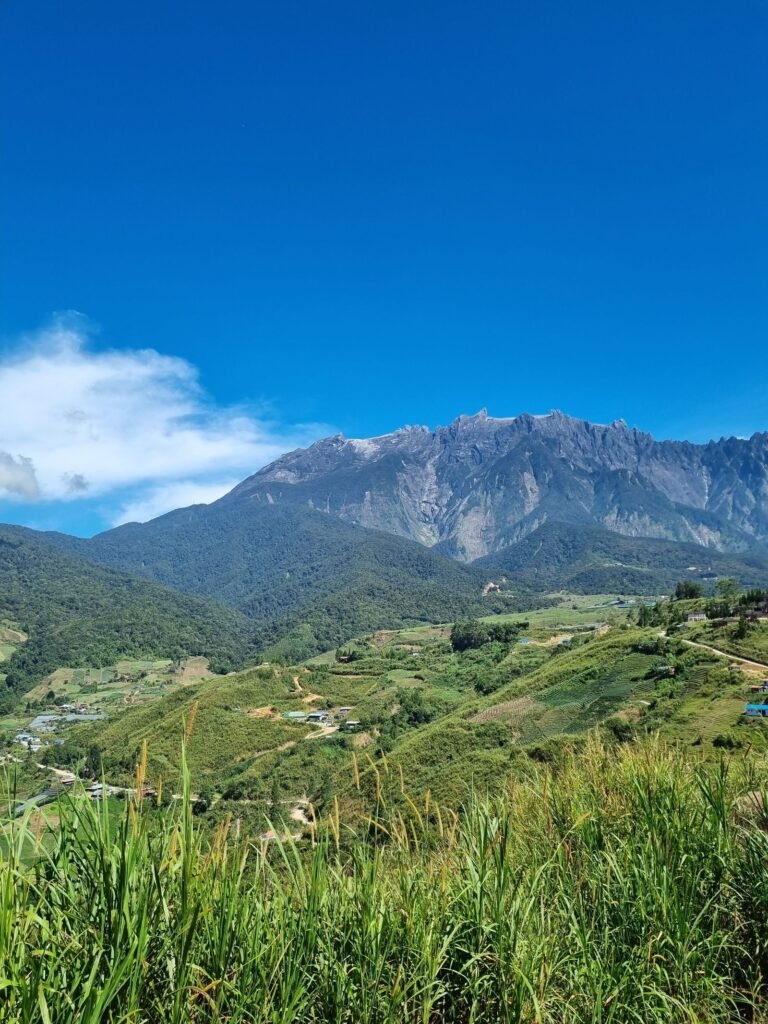
Booking the via ferrata requires a separate reservation, and it is only available to climbers who have booked the full climb package. The activity is suitable for fit beginners, and all equipment and instruction are provided. If you are comfortable with heights and want to make your Kinabalu climb truly memorable, the via ferrata is worth the extra cost.
Permits, Costs and How to Book
Climbing Mount Kinabalu requires a permit, and the number of climbers is limited to about 135 per day, so booking ahead is essential. Permits are issued by Sabah Parks and are sold as part of a package that includes the climb permit, the park entrance fee, a licensed guide, accommodation at Laban Rata, and meals. Packages are sold through Sutera Sanctuary Lodges, the concessionaire that operates the mountain lodges, and through licensed tour operators in Kota Kinabalu.
Costs vary by season and by package, but a standard two-day climb for an international visitor typically costs several hundred US dollars, including the permit, guide, insurance, and a night at Laban Rata with meals. Malaysian citizens pay lower park fees. The via ferrata is an additional cost, and porter services, which carry your bag to Laban Rata, are available for an extra fee and are worth considering if you want to climb light.
Book at least three to six months ahead for the dry season, and be aware that the rules are strict: you must climb with a licensed guide, you must stay at Laban Rata, and you must start the summit climb by the cut-off time or you will be turned back. Bring your passport, because the permit is issued in your name, and check the cancellation policy before you book, as the weather can close the mountain at short notice.
The Best Time to Climb Mount Kinabalu
The best time to climb Mount Kinabalu is the dry season, from February to April, when the weather is at its most stable and the chances of a clear sunrise are highest. March is usually the driest month, and it is the most popular time to climb, so book well ahead. The mountain is climbable year-round, but the wet season, from November to January, brings heavy rain, slippery granite, and a much higher chance of cloud on the summit.
Even in the dry season, the weather on Kinabalu is changeable, and rain is possible at any time. The temperature at the summit is near freezing before dawn, while the lowlands are hot and humid, so you need to pack for both extremes. The park may close the summit trail in bad weather, and the decision is made by the rangers on the day, so flexibility in your schedule is wise.
If you can, avoid the Malaysian school holidays and public holidays, when the mountain is busiest. A weekday climb in March or April gives you the best combination of good weather, fewer climbers, and a better chance of a clear sunrise. Allow an extra day in your itinerary in case the weather forces a change of plan.
Wildlife and Plants of Kinabalu Park
Kinabalu Park is one of the most biodiverse places on Earth. The mountain’s slopes are home to more than 5,000 species of plants, including over 1,000 orchids, 600 ferns, and 26 species of rhododendron. The most famous is the rafflesia, the world’s largest flower, which can reach a metre across and blooms unpredictably in the lowland forest. The park is also home to the Nepenthes rajah, the world’s largest pitcher plant, which grows only on Mount Kinabalu and the neighbouring Mount Tambuyukon.
The wildlife is harder to spot but just as remarkable. The park is home to the Bornean gibbon, the Prevost’s squirrel, and the mountain blackbird, as well as hundreds of species of birds. The summit zone is home to the mountain ground squirrel and the Kinabalu friendly warbler, a small bird found only on this mountain. Keep your eyes open on the trail, and listen for the birdsong that fills the forest in the early morning.
The vegetation zones are one of the great pleasures of the climb. In a single day you pass from lowland rainforest with giant dipterocarp trees, through montane forest draped in moss, into cloud forest where the trees are stunted and twisted, and finally onto bare granite where only a few hardy shrubs survive. It is a compressed lesson in mountain ecology, and it is one of the reasons the climb feels so much bigger than its two days.
Where to Stay and How to Prepare
Most climbers spend the night before the climb at Kinabalu Park headquarters, where there are chalets, a hostel, and a restaurant, or in Kundasang, a small town about 15 minutes away with a range of hotels and guesthouses. Kundasang is worth a visit in its own right: the Desa Cattle Dairy Farm, with its views of the mountain and its fresh milk and ice cream, is a popular stop, and the Kundasang War Memorial commemorates the Australian and British prisoners of war who died on the Sandakan death marches.
Preparation matters. Train for the climb with hill walking and stair climbing, and arrive in Sabah at least a day early to rest. Pack light but warm: a waterproof jacket, a fleece, a headlamp, gloves, and a hat for the summit, plus sun protection, water, snacks, and a first-aid kit. Wear well-broken-in hiking boots with good grip, because the granite is slippery when wet. The park provides drinking water at the shelters, but bring a reusable bottle and purification tablets as a backup.
Altitude is the main challenge. At 4,095 metres, the air holds about 60 percent of the oxygen at sea level, and altitude sickness is a real risk. Climb slowly, drink plenty of water, and tell your guide immediately if you develop a headache, nausea, or dizziness. The guides are trained to recognise altitude sickness, and the park has a clinic at the headquarters. Do not rush the climb, and do not be embarrassed to turn back: the mountain will still be there.
Getting to Kinabalu Park
Getting to Kinabalu Park is straightforward. Fly to Kota Kinabalu International Airport, which has direct flights from Kuala Lumpur, Singapore, and several other Asian cities. From the airport, the park is about a two-hour drive north-east, and most climbers arrange a transfer through their tour operator or hotel. Public buses run from Kota Kinabalu to the park headquarters, but they are slow and infrequent, so a private transfer is the better option.
If you have extra time, combine the climb with a visit to Poring Hot Springs, about 40 kilometres from the park headquarters, where you can soak in natural hot pools, walk the canopy walkway through the rainforest, and visit the butterfly garden. The Kinabalu Park headquarters also has a botanical garden and a visitor centre, and the short trails around the headquarters are a good way to acclimatise before the climb.
Kota Kinabalu itself is worth a day or two. The city has a lively waterfront, a good food scene, and easy access to the islands of Tunku Abdul Rahman Marine Park, where you can snorkel and dive. The sunset from the Signal Hill Observatory, with Mount Kinabalu on the horizon on a clear day, is a fitting end to a trip to Sabah.
Practical Tips for Climbing Mount Kinabalu
A few practical tips will make your climb safer and more enjoyable. Hire a porter for your main bag, so you climb with only a daypack. Bring cash in Malaysian ringgit for tips, snacks, and the park fees, because there are no ATMs on the mountain. Pack your summit clothes in a dry bag, because the rain can arrive without warning, and bring a power bank for your phone and headlamp.
Respect the mountain and its rules. Do not litter, do not pick plants, and do not leave the trail. The mountain is sacred to the Kadazan Dusun people, and the park asks climbers to behave with respect, which includes not making excessive noise on the summit and not taking rocks or plants as souvenirs. The mountain’s ecosystem is fragile, and the rules exist to protect it.
Finally, manage your expectations. The climb is hard, the weather is unpredictable, and the summit is not guaranteed. But the experience of climbing through four vegetation zones, of watching the sunrise from the highest point in Borneo, and of standing on a mountain that has shaped the culture of Sabah for centuries, is worth every step.
Frequently Asked Questions
How difficult is the Mount Kinabalu climb?
The Mount Kinabalu climb is strenuous but not technical. You need good fitness, because you gain more than 2,200 metres over two days, and the summit day starts at 2 a.m. in the cold and dark. No ropes or climbing experience are needed, but the altitude and the steep granite make it a serious challenge.
How many days does the Mount Kinabalu climb take?
The standard Mount Kinabalu climb takes two days and one night: day one from Timpohon Gate to Laban Rata, and day two from Laban Rata to the summit and back down. Allow an extra day in Sabah for travel and for weather delays.
Do you need a permit to climb Mount Kinabalu?
Yes, you need a permit to climb Mount Kinabalu, and the number of climbers is limited to about 135 per day. Permits are sold as part of a package that includes a licensed guide, accommodation at Laban Rata, and meals, and they should be booked three to six months ahead.
What is the best month to climb Mount Kinabalu?
February to April is the best time to climb Mount Kinabalu, with the driest weather and the best chance of a clear sunrise. March is usually the driest month. November to January is the wet season, with heavy rain and a higher chance of the summit being closed.
Can beginners climb Mount Kinabalu?
Fit beginners can climb Mount Kinabalu, and many first-time trekkers do. You need good cardiovascular fitness, proper preparation, and a willingness to climb slowly. The trail is well maintained and a guide is mandatory, but the altitude and the early start make it a demanding climb.
Conclusion
Mount Kinabalu is a mountain that gives back far more than it asks. The climb is hard, the mornings are cold, and the granite is unforgiving, but the reward is a sunrise over a sea of clouds, a journey through some of the richest forest on Earth, and the knowledge that you have stood on the highest point in Malaysia. It is a climb that changes the way you think about mountains.
If Kinabalu leaves you wanting more high places, Mount Fuji in Japan offers a sacred volcano and a sunrise climb of its own, while Mount Kilimanjaro in Tanzania is the highest free-standing mountain in the world and a classic multi-day trek. Mount Kinabalu, though, is where Borneo touches the sky, and it is a summit worth every step.
Read more about Mount Kinabalu on Wikipedia.