The Pantanal, Brazil: Complete Guide to the World’s Largest Wetland and Its Wildlife
The Pantanal is the greatest wildlife spectacle in South America — and one of the greatest on Earth. This vast tropical wetland, which covers around 150,000 square kilometres of Brazil, Paraguay, and Bolivia, is the largest wetland of its kind in the world, ten times the size of the Florida Everglades. In the dry season, the floodwaters retreat and the animals gather in astonishing numbers: jaguars patrol the riverbanks, caimans crowd the shrinking pools, capybaras graze in herds, and the sky fills with macaws, storks, and spoonbills.
What makes the Pantanal special is that, unlike the Amazon, you can actually see the wildlife. The open floodplains, the gallery forests, and the rivers make the animals visible and approachable, and the Pantanal is now recognised as the best place in the world to see wild jaguars. This guide covers everything you need to plan a trip: when to go, where to stay, how the safaris work, what you will see, and how to travel responsibly in a wetland that is both a paradise and a place under threat.
Where the Pantanal Is and What Makes It Different
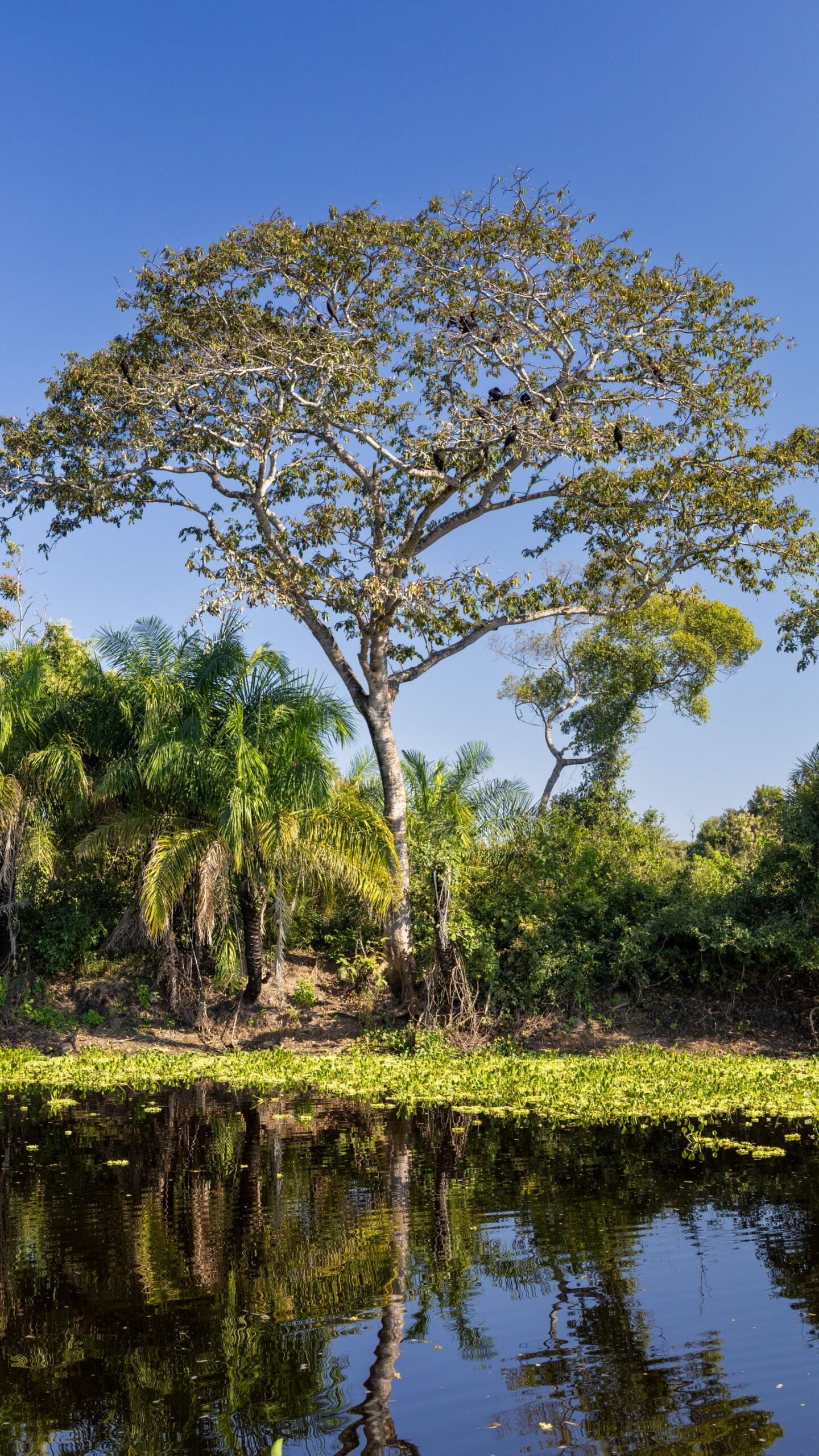
The Pantanal lies in the heart of South America, mostly in the Brazilian states of Mato Grosso and Mato Grosso do Sul, with smaller portions in Paraguay and Bolivia. It is a vast, flat basin that is fed by the Paraguay River and its tributaries, and every year the summer rains flood up to 80 percent of the plain, turning it into an inland sea. When the waters recede in the dry season, they leave behind a mosaic of grasslands, forests, lakes, and rivers that is one of the most productive ecosystems on Earth.
This is not a rainforest. It is an open landscape of floodplains and savanna, and that openness is the key to its wildlife. In the Amazon, the animals are hidden by the forest; here, they are out in the open, and the density of wildlife is extraordinary. The wetland is home to around 3,500 plant species, 650 bird species, 400 fish species, and 300 mammal species, including the jaguar, the giant otter, the tapir, and the giant anteater. The region is a UNESCO World Heritage Site and a Ramsar Wetland of International Importance.
The wetland is also a working landscape. Cattle ranches, called fazendas, have been part of this region for 300 years, and many of the lodges that visitors stay in are working ranches. The Pantaneiro cowboys, who ride horses through the floodplains and live a life that has changed little in centuries, are an integral part of the local culture — and a reminder that this is not a pristine wilderness, but a place where people and wildlife have lived together for generations.
The Best Time to Visit the Pantanal
The best time to visit the Pantanal is the dry season, from May to September, when the floodwaters have receded and the wildlife concentrates around the remaining water. This is the best time for jaguar sightings, for birdwatching, and for exploring the floodplains on foot and on horseback. The weather is dry and sunny, the days are warm, and the nights are cool. July and August are the peak months, and the lodges fill up — book well in advance.
The wet season, from October to April, is a different experience. The rains flood the plain, the rivers rise, and the region becomes a water world of lakes and channels. The wildlife is more dispersed, but the birdlife is spectacular — this is the best time for the migratory birds, and the landscapes are lush and green. The wet season is also the best time for fishing, and for the dramatic skies and thunderstorms that are a hallmark of the summer here.
The shoulder months — April and May, and October and November — offer a compromise: the water is still high enough for boat trips, the wildlife is still visible, and the lodges are quieter and cheaper. Whatever the season, the Pantanal is hot and humid, and the sun is strong. Pack light, breathable clothing, a hat, sunscreen, and insect repellent — the mosquitoes are a fact of life in the wetland.
Jaguars and the Wildlife of the Pantanal
The jaguar is the star of the Pantanal, and for good reason. This region has the highest density of jaguars anywhere in the world, and it is the best place on Earth to see them in the wild. The jaguars here are the largest in the Americas — males can weigh over 100 kilograms — and they are unusually visible, patrolling the riverbanks and swimming in the rivers. The best place to see them is Porto Jofre, at the end of the Transpantaneira road, where boat safaris on the Cuiaba River have a very high success rate in the dry season.
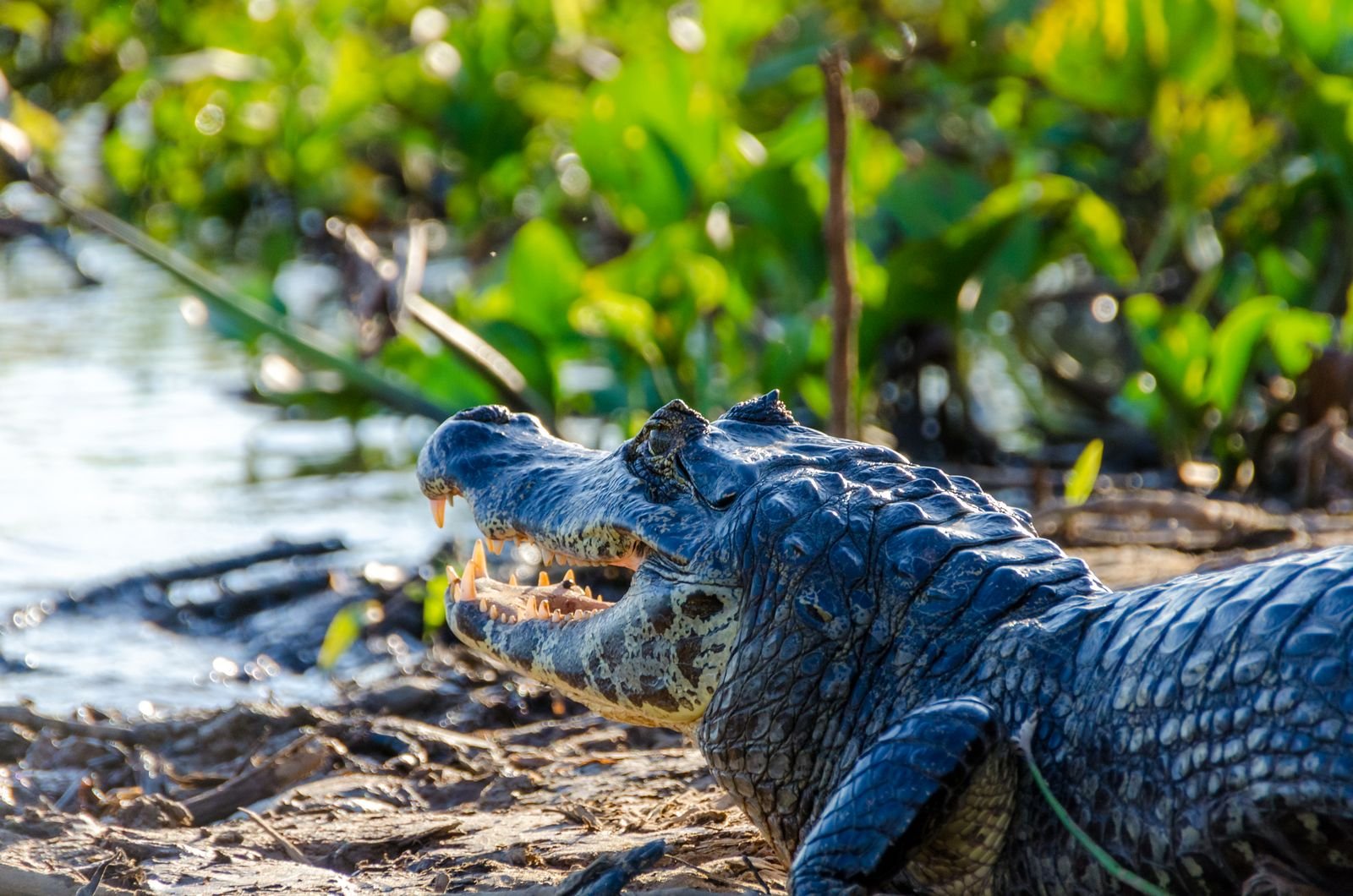
But the wetland is far more than jaguars. The caimans — small crocodilians — are everywhere, with millions of them in the floodplain, and they are a favourite food of the jaguars. Capybaras, the world’s largest rodents, graze in herds on the riverbanks. Giant otters, which can grow to 1.8 metres long, hunt in family groups in the rivers. Giant anteaters, tapirs, and marsh deer roam the grasslands. And the birdlife is extraordinary: hyacinth macaws, the largest parrots in the world, jabiru storks with their 2.8-metre wingspans, toucans, herons, spoonbills, and hundreds of other species.
Night in the Pantanal is a different world. Night safaris and boat trips reveal the animals that are active after dark: ocelots, tapirs, caimans with their eyeshine, and the nightjars and owls that call from the trees. The sounds of the floodplain at night — the frogs, the insects, the caimans, and the distant roar of a jaguar — are one of the great experiences of the natural world.
How a Pantanal Safari Works
A Pantanal safari is not like an African safari. There are no game drives in open vehicles across the savanna — instead, the wildlife is seen on foot, on horseback, and by boat. Most visitors stay at a lodge or a fazenda for three to five nights, and the days follow a rhythm: an early-morning walk or boat trip, breakfast, a midday rest, an afternoon horse ride or boat trip, and a night safari after dinner.
Boat safaris are the best way to see jaguars and river wildlife. The boats are small and quiet, and the guides know the riverbanks and the jaguars’ territories intimately. Horse riding is the traditional way to explore the floodplains, and it is a wonderful way to see the region: the horses are calm and well trained, and the rides take you through the grasslands and the forests, past capybaras, caimans, and birds. Walking safaris, with a guide, are the best way to see the smaller wildlife — the birds, the monkeys, and the tracks of the jaguars.
The guides are the key to a good Pantanal safari. The best guides are local Pantaneiros who have grown up in the wetland and know its animals, its plants, and its rhythms. They are also the people who will keep you safe: the region is a wild place, and the jaguars, caimans, and anacondas are real animals. Follow your guide’s instructions, keep a respectful distance from the wildlife, and never walk alone in the bush.
Where to Stay in the Pantanal
Most visitors to the Pantanal stay in lodges or fazendas along the Transpantaneira road, which runs south from Cuiaba into the heart of the northern region, or around Aquidauana, Miranda, and Corumba in the south. The lodges range from simple, family-run fazendas to comfortable eco-lodges with swimming pools and air conditioning. All of them include meals, guided activities, and transfers, and most offer packages of three to five nights.
The northern part of the wetland, accessed from Cuiaba, is the best place for jaguars. The lodges along the Transpantaneira — a 147-kilometre dirt road with more than 120 wooden bridges — are the base for the jaguar boat safaris at Porto Jofre, and the road itself is a wildlife spectacle, with caimans, capybaras, and birds visible from the car. The southern region, accessed from Campo Grande, is better for horse riding and for the traditional fazenda experience, and the lodges around Aquidauana and Miranda are among the most comfortable here.
Book your lodge well in advance, especially for the dry season, when the best lodges fill up months ahead. The lodges are all-inclusive, and the price — typically 200 to 500 US dollars a night — includes accommodation, meals, and guided activities. Transfers from Cuiaba or Campo Grande are usually extra, and the journey to the lodge can take several hours by car and boat. Pack light, and bring a good pair of binoculars — they will transform your experience of the wetland.
Getting to the Pantanal
The Pantanal has two main gateways: Cuiaba, the capital of Mato Grosso, for the north, and Campo Grande, the capital of Mato Grosso do Sul, for the south. Both cities have airports with flights from Sao Paulo, Rio de Janeiro, and other Brazilian cities, and both are the starting points for the journey into the floodplain. From Cuiaba, the Transpantaneira road runs south to Porto Jofre, a journey of about four hours by car. From Campo Grande, the lodges around Aquidauana and Miranda are two to three hours by car.
Most lodges arrange transfers from the airport, and it is best to let them handle the logistics — the roads are unpaved, the distances are long, and the conditions can be challenging, especially in the wet season. Self-driving is possible, but a 4×4 is recommended, and you should be prepared for mud, dust, and river crossings. Guided tours from Sao Paulo or Rio de Janeiro are also available, and they are a good option if you do not want to organise the trip yourself.
Allow at least four to five nights in the Pantanal to do it justice. The wildlife is not guaranteed — even in the dry season, jaguars can be elusive — and the more time you spend, the better your chances. A week in the region, combining the north and south, is ideal, and it is worth combining the trip with a visit to the Amazon or to Iguazu Falls for a complete Brazilian wildlife journey.
A Wetland Under Threat
The Pantanal is one of the most important wetlands in the world, and it is under threat. The region is vulnerable to the deforestation and the fires that have affected the Amazon and the Cerrado, and the 2020 fires — the worst in the wetland’s history — burned a third of the floodplain and killed millions of animals. Cattle ranching, soy farming, and the construction of hydroelectric dams on the rivers that feed the area all pose a threat to the delicate hydrology of the region.
Climate change is also a concern. The flood cycle here is driven by the rains, and changes in rainfall patterns could alter the flooding that the wetland depends on. The region is a fragile system, and it is vulnerable to changes in the rivers that feed it, the forests that surround it, and the climate that sustains it.
Tourism has a role to play in protecting the Pantanal. The lodges and the guides are the wetland’s greatest advocates, and the income from tourism gives the local communities a reason to protect the wildlife. By choosing a responsible lodge, following your guide’s instructions, and supporting the local economy, you are helping to protect this remarkable place. The wetland has survived for thousands of years — with care, it will survive for thousands more.
Practical Tips for Visiting the Pantanal
Pack for the heat, the humidity, and the insects. Light, breathable, long-sleeved clothing is best, and a hat, sunscreen, and insect repellent are essential. Bring a good pair of binoculars, a camera with a zoom lens, and a waterproof bag for your equipment. The lodges provide drinking water, but bring a reusable water bottle.
Be prepared for early mornings and long days. The best wildlife viewing is at dawn and dusk, and the days start early — often before sunrise. The midday heat is intense, and the lodges schedule a rest in the middle of the day. Bring a book, a pair of binoculars, and a sense of patience — the wetland rewards those who wait.
Health and safety are important. This is a tropical wetland, and mosquitoes are a fact of life. Use insect repellent, wear long sleeves at dusk, and consider anti-malarial medication — check with your doctor before you travel. The lodges have first-aid kits, and the guides are trained in first aid, but the nearest hospital is hours away. Travel insurance that covers medical evacuation is essential.
Frequently Asked Questions
When is the best time to see jaguars in the Pantanal?
The dry season, from June to September, is the best time to see jaguars. The water levels are low, the jaguars are concentrated along the rivers, and the boat safaris from Porto Jofre have a very high success rate.
Is the Pantanal safe to visit?
Yes, with a good guide. It is a wild place, and the jaguars, caimans, and anacondas are real animals, but the lodges and guides are experienced and the risks are low if you follow their instructions. Never walk alone in the bush, and never swim in the rivers.
How long should I spend in the Pantanal?
Allow at least four to five nights. The wildlife is not guaranteed, and the more time you spend, the better your chances of seeing jaguars and the other wildlife. A week, combining the north and south, is ideal.
Do I need a visa for Brazil?
Many nationalities do not need a visa for Brazil for short tourist visits, but the rules change — check the current requirements for your nationality before you travel, and make sure your passport is valid for at least six months.
Is this the same as the Amazon?
No. The Pantanal is a tropical wetland of open floodplains and savanna, while the Amazon is a rainforest. The wetland is much better for seeing wildlife, because the animals are out in the open, while the Amazon’s wildlife is hidden by the forest.
Conclusion
The Pantanal is one of the great wildlife destinations of the world — a place where the animals are not hidden, but out in the open, in numbers that are hard to believe. The jaguars on the riverbanks, the caimans in the pools, the capybaras on the grass, and the macaws in the sky combine to make this wetland a place that every wildlife lover should see once in their life. Go in the dry season, stay at a good lodge, follow your guide, and be patient — this remarkable region will reward you with a journey you will never forget. For more wetland and wildlife inspiration, read our guides to the Amazon Rainforest and the Okavango Delta, and learn more from the Pantanal on Wikipedia.