Lake Ohrid, North Macedonia & Albania: Complete Guide to Europe’s Oldest Lake
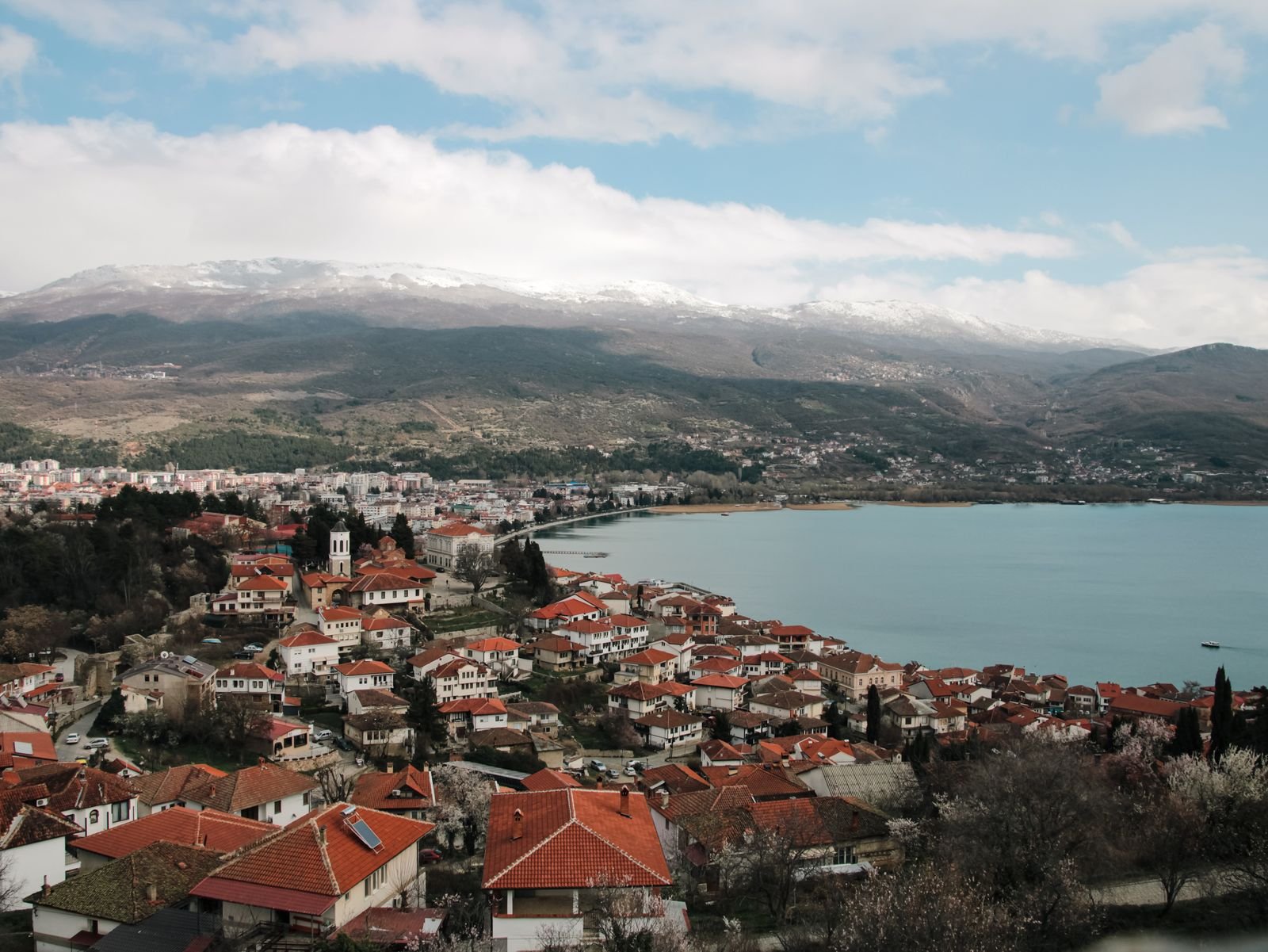
Lake Ohrid is one of the oldest lakes in the world. Formed between one and three million years ago, it is a deep, clear lake on the border between North Macedonia and Albania, ringed by mountains and dotted with ancient churches, and it holds more endemic species than any other lake in Europe.
This complete guide to Lake Ohrid covers the lake’s history and wildlife, the best things to do in Ohrid town, the best time to visit, how to get there and where to stay. Whether you want to swim in crystal-clear water, visit a cliff-top church, cruise to a lakeside monastery or simply watch the sunset over the mountains, Lake Ohrid is one of Europe’s most rewarding destinations.
Where Is Lake Ohrid and Why Visit?
Lake Ohrid lies in the southwestern corner of North Macedonia, with its southern shore in Albania. The lake is about 30 kilometres long and 15 kilometres wide, and at 288 metres deep it is one of the deepest lakes in Europe. The town of Ohrid, on its northeastern shore, is the main base for visitors.
The lake and its surrounding region are a UNESCO World Heritage Site, recognised for both their natural and cultural importance. Ohrid town itself is one of the oldest human settlements in Europe, with churches, fortresses and an ancient theatre that tell the story of more than two thousand years of history.
People visit Lake Ohrid for its clarity, its calm and its beauty. The water is so clear that you can see several metres down, the mountains rise directly from the shore, and the pace of life in Ohrid town is slow and gentle. It is a place that feels like Europe as it used to be.
What Makes Lake Ohrid Special?
Lake Ohrid is a living museum of evolution. Because it is so old and so isolated, more than 200 species of plants and animals live here and nowhere else on Earth, including the famous Ohrid trout, a fish that has been prized since Roman times. Scientists call the lake a natural laboratory.
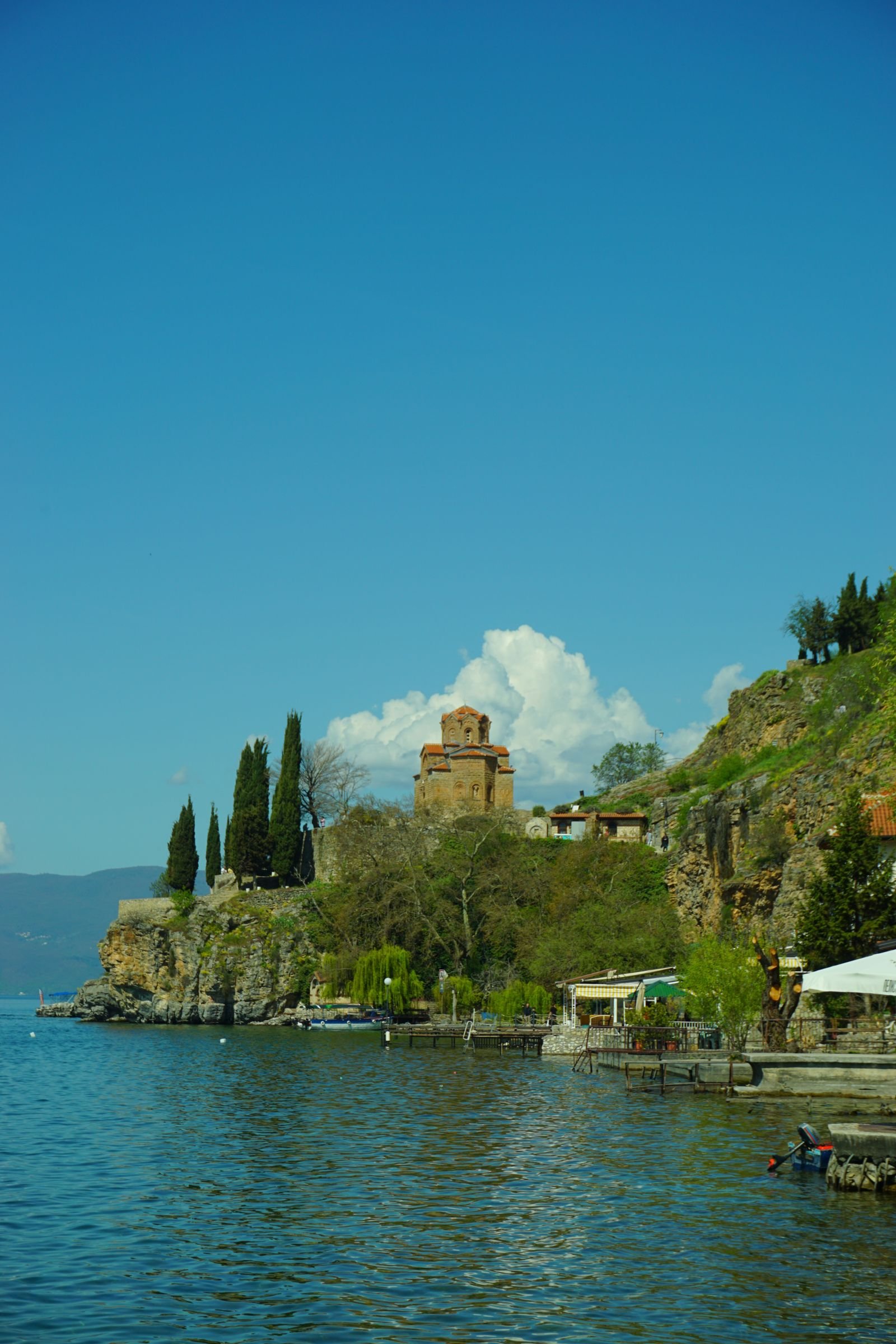
The Church of St. John at Kaneo, perched on a cliff above the lake, is one of the most photographed churches in the Balkans. Built in the 13th century, it stands alone above the water, and at sunset the whole scene glows gold. It is the image that defines Lake Ohrid.
Ohrid town is a treasure in itself. Its old town is a maze of cobbled streets and Ottoman houses, its fortress, Samuel’s Fortress, offers views over the whole lake, and its ancient theatre, built in the Hellenistic period, still hosts performances in summer.
Best Things to Do at Lake Ohrid
Walk to the Church of St. John at Kaneo at sunset. The path from the old town leads along the shore and up the cliff, and the view from the church, with the lake stretching to the mountains of Albania, is one of the finest in the Balkans.
Take a boat trip to the Monastery of St. Naum, at the southern end of the lake. The monastery, founded in the 10th century, sits in a beautiful setting of gardens and springs, and the boat ride across the lake, past the Bay of Bones, is a highlight of any visit.
Explore Ohrid’s old town on foot. Climb to Samuel’s Fortress, visit the Church of St. Sophia and the Church of St. Clement, and wander the narrow streets to the ancient theatre. The town’s museums and churches tell the story of a place that was once called the Jerusalem of the Balkans.
Swim in the lake. The water is clean, clear and warm in summer, and the beaches near Ohrid town, at Gradiste and at St. Naum, are ideal for a long, lazy afternoon. The lake’s clarity makes it one of the best swimming lakes in Europe.
Best Time to Visit Lake Ohrid
The best time to visit Lake Ohrid is from May to September, when the weather is warm, the lake is comfortable for swimming and the days are long. July and August are the busiest months, when the town fills with visitors from across the Balkans and beyond.
Spring, in May and June, brings wildflowers to the lakeshore and is the best time for walking and birdwatching, while September and early October offer warm days, fewer crowds and beautiful autumn light. Winter is quiet and atmospheric, with snow on the mountains and mist on the lake.
Best Towns and Beaches Around Lake Ohrid
Ohrid town is the best base for the lake, with the widest choice of hotels, restaurants and sights. The old town is charming, the lakeside promenade is perfect for evening walks, and the town’s churches and fortress are within easy reach on foot.
Struga, at the northern end of the lake, is a quieter alternative, known for its river, its poetry festival and its relaxed atmosphere. It is a good choice for travellers who want a slower pace and a more local feel.
On the Albanian side, Pogradec is a pleasant lakeside town with a long promenade, good restaurants and a view across the lake to the mountains of North Macedonia. It is a good base for exploring the southern shore and the Drilon springs near Tushemisht.
How to Get to Lake Ohrid
Most visitors reach Ohrid by bus or car from Skopje, the capital of North Macedonia, about three hours away, or from Tirana, the capital of Albania, about two and a half hours away. Ohrid has a small airport with seasonal flights from several European cities.
Buses run regularly between Ohrid, Skopje, Struga and the Albanian border, and the drive along the lake from Struga to Ohrid is one of the most scenic roads in the Balkans. The UNESCO listing for the Ohrid region can be found at whc.unesco.org.
A car gives you the most freedom, especially for visiting St. Naum, the Bay of Bones and the Albanian side of the lake. The roads around the lake are good, and the border crossing between North Macedonia and Albania is straightforward for most nationalities.
Where to Stay at Lake Ohrid
Ohrid town has the best choice of accommodation, from lakeside hotels to family-run guesthouses in the old town. Staying in the old town puts you close to the churches, the fortress and the best restaurants, while the lakeside hotels offer views and easy beach access.
For a quieter stay, choose a guesthouse in the village of Lagadin or at St. Naum, or a hotel in Pogradec on the Albanian side. Book ahead in July and August, when the lake is at its busiest and the best rooms sell out.
Wildlife and Nature of Lake Ohrid
Lake Ohrid is one of the most biodiverse lakes in the world. Its endemic species include the Ohrid trout, the Ohrid sponge, and dozens of species of snails, worms and algae that live nowhere else. The lake’s age and isolation have made it a unique ecosystem.
The lake’s shores and wetlands are important for birds. Dalmatian pelicans, great crested grebes, pygmy cormorants and many species of ducks and waders live on the lake, and the mountains around it are home to golden eagles, griffon vultures and brown bears.
The Galicica National Park, which rises between Lake Ohrid and Lake Prespa, is a beautiful area for hiking, with alpine meadows, limestone peaks and views over both lakes. It is one of the best places in the region for wildflowers and butterflies.
Practical Tips for Visiting Lake Ohrid
Bring comfortable shoes for Ohrid’s cobbled streets and steep lanes, and be ready for hot sun in summer. The lake’s water is clean enough to swim in, but respect local rules and swim only in designated areas, especially near the town.
Carry cash in Macedonian denars on the North Macedonian side and Albanian lek on the Albanian side, although euros are widely accepted. ATMs are common in Ohrid town, but less so in the smaller villages around the lake.
Try the local food, especially the Ohrid trout, which is served in many restaurants, and the local wines from the Tikveš region. The lakeside restaurants in Ohrid town are among the best places to eat in the Balkans.
Finally, give Lake Ohrid time. The lake rewards slow travel: a morning on the water, a long lunch by the shore, and a sunset walk to St. John at Kaneo is a perfect Ohrid day, and there is no need to rush from one sight to the next.
More Waterfalls and Lakes to Explore
- Lake Bled: Complete Guide to Slovenia’s Island Church, Castle and Lakeside Trails
- Lake Como, Italy: Complete Guide to Bellagio, Varenna and the Best Lakeside Towns
Frequently Asked Questions About Lake Ohrid
How old is Lake Ohrid?
Lake Ohrid is between one and three million years old, making it one of the oldest lakes in the world. It is one of only a handful of ancient lakes on Earth, and its age is the reason for its extraordinary number of endemic species.
How deep is Lake Ohrid?
Lake Ohrid is 288 metres deep, making it one of the deepest lakes in Europe. Its depth and its age help to explain its clear water and its unique ecosystem.
Can you swim in Lake Ohrid?
Yes, the water is clean, clear and warm in summer, and swimming is one of the best things to do at Lake Ohrid. The beaches near Ohrid town, at Gradiste and at St. Naum are the most popular places to swim.
How many days do I need at Lake Ohrid?
Three to four days is ideal. That gives you time for Ohrid town, the Church of St. John at Kaneo, a boat trip to St. Naum, a swim in the lake and a walk in Galicica National Park. With one day, focus on the old town and the church.
What is the best way to see Lake Ohrid?
By boat. A boat trip from Ohrid to St. Naum, or a shorter cruise along the shore, is the best way to see the lake, the cliffs and the churches from the water. Walking the lakeside paths is the best way to see it from the land.
Is Lake Ohrid in North Macedonia or Albania?
Both. The northern and eastern shores are in North Macedonia, and the southern and western shores are in Albania. The town of Ohrid is in North Macedonia, and Pogradec is in Albania.
Is Lake Ohrid good for families?
Yes, Lake Ohrid is very family-friendly. The beaches are safe for swimming, the old town is easy to explore on foot, and the boat trips and the Bay of Bones museum are popular with children.
Conclusion
Lake Ohrid is one of Europe’s great treasures. Few lakes combine such age, such clarity and such beauty, and few places offer so much history, nature and calm in such a small space. It is a lake that rewards travellers who take the time to explore it properly.
Visit in the summer months for swimming and boat trips, or in spring and autumn for walking and quiet, and give yourself at least three days at the lake. Walk the old town, visit the churches, and watch the sunset from St. John at Kaneo. Lake Ohrid will stay with you long after you leave.
If you only remember one thing about Lake Ohrid, let it be this: the lake is at its best when you slow down. A quiet morning on the water, a long lunch by the shore, and an evening walk through the old town are the memories that define this ancient lake.
Whether you come for the ancient churches, the clear water or the mountain views, Lake Ohrid has a quiet magic that is hard to find anywhere else in Europe. Pack light, bring your curiosity, and let this ancient lake show you why it has been loved for thousands of years.