Seychelles: Complete Guide to Mahé, Praslin, La Digue and the Best Island Beaches
The Seychelles are a group of 115 islands in the Indian Ocean, and they are among the most beautiful island destinations on Earth. This complete guide to the Seychelles explains how to explore Mahé, Praslin, and La Digue, where to find the best beaches, how to see giant tortoises and rare birds, and how to plan an island trip that is slow, wild, and unforgettable.
Most visitors arrive on Mahé, the largest island, and then travel by ferry or plane to Praslin and La Digue. Each island has a different character. Mahé is mountainous and green, with beaches, markets, and the capital, Victoria. Praslin is quieter, with the Vallée de Mai, a UNESCO-listed palm forest where the coco de mer grows. La Digue is the smallest and most relaxed of the three, with no cars, granite boulders on its beaches, and a pace of life that feels like a different century.
Why the Seychelles Are So Special
The Seychelles are special because they are both remote and remarkably well protected. The islands were uninhabited until the 18th century, and many of their plants and animals evolved in isolation, which is why so many species are found nowhere else. The coco de mer palm, with its huge double nut, grows only in the Seychelles. The Aldabra giant tortoise, one of the largest tortoises in the world, lives here in the wild and in sanctuaries. The Seychelles warbler, the Seychelles magpie-robin, and the black parrot are all birds that exist only on these islands.
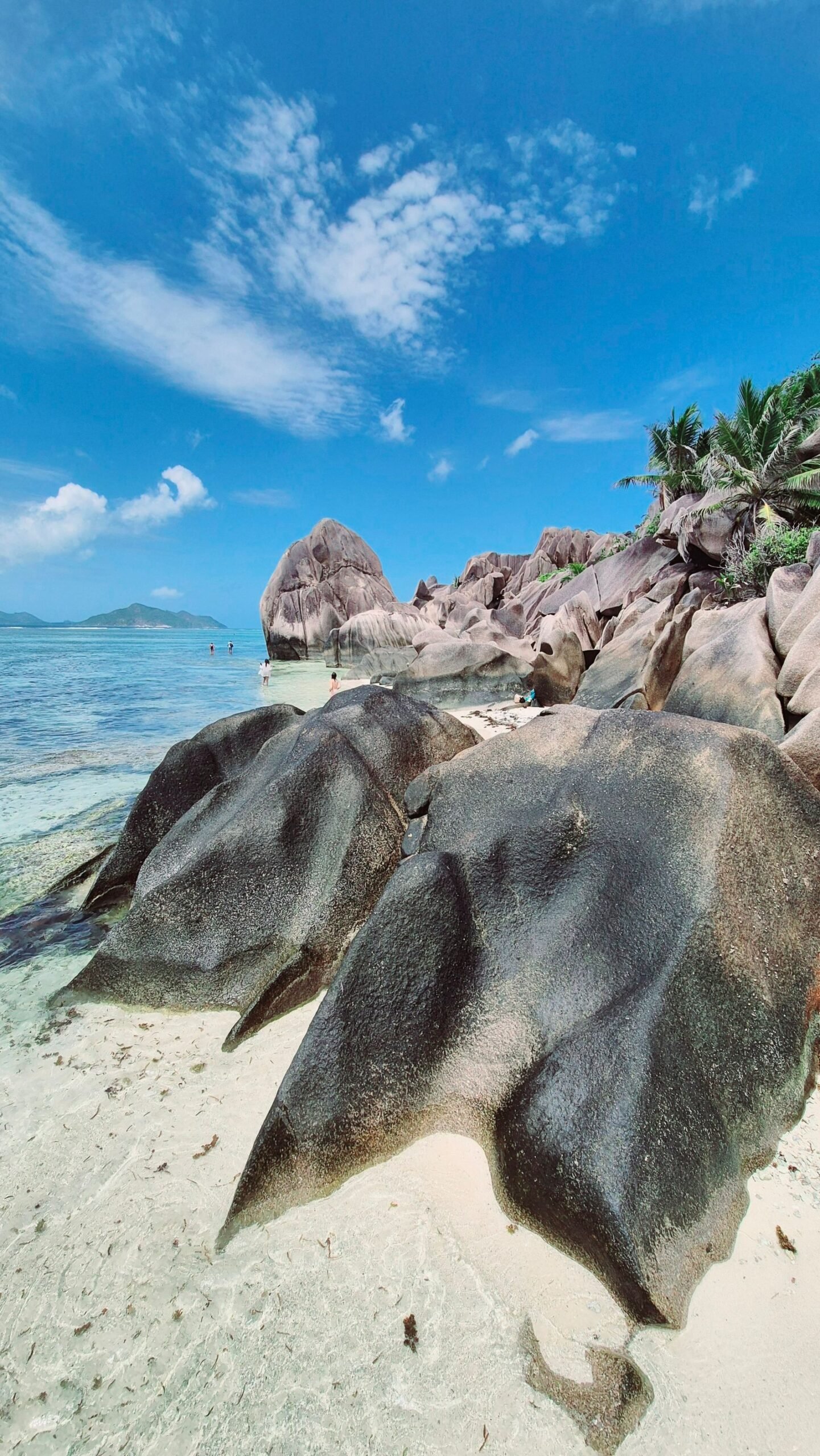
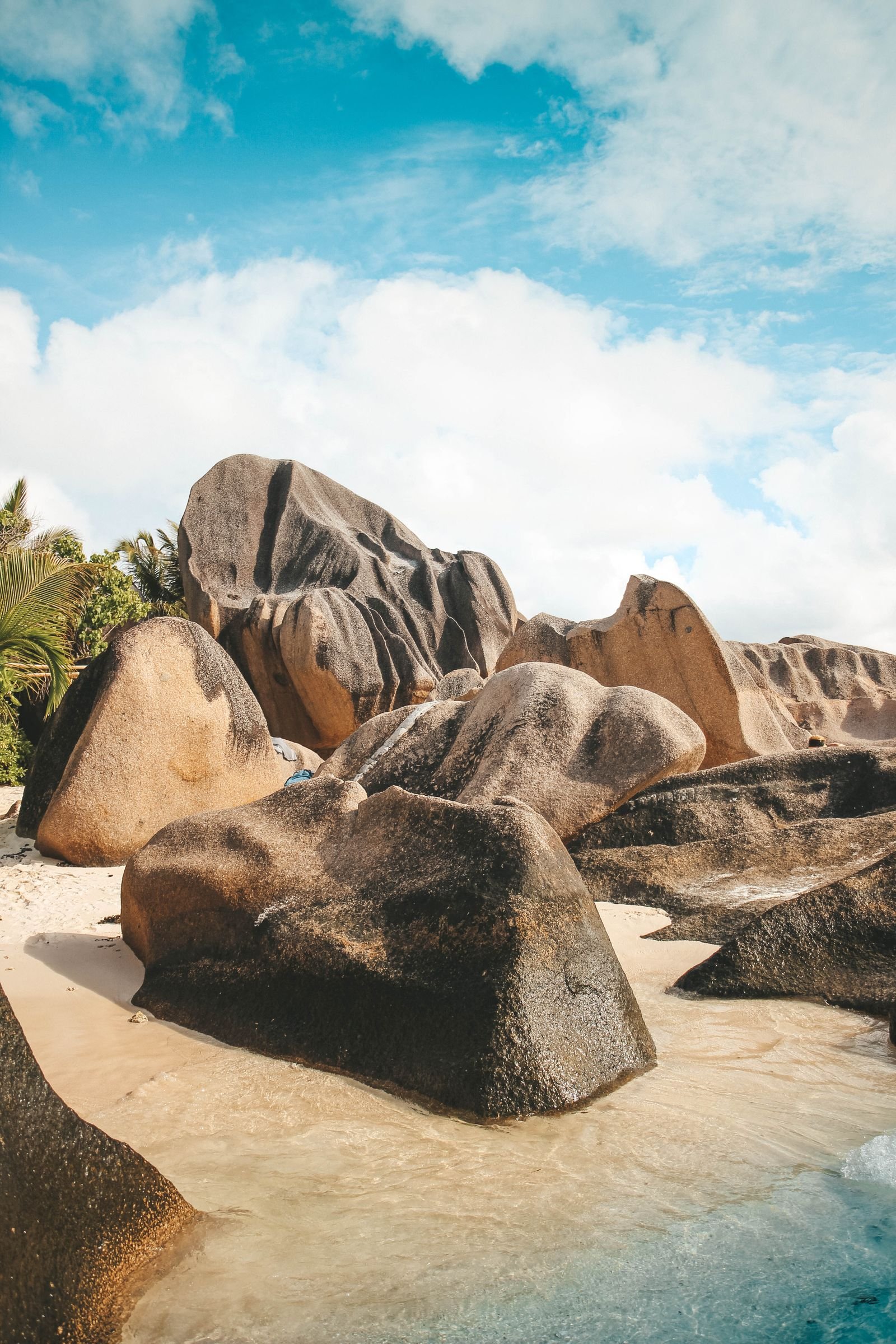
The beaches are the other reason people come. Anse Source d’Argent on La Digue, with its granite boulders, shallow turquoise water, and white sand, is one of the most photographed beaches in the world. Anse Lazio on Praslin is a perfect crescent of sand between granite headlands. Beau Vallon on Mahé is a long, lively beach with restaurants, water sports, and sunsets. What makes these beaches different is not just their beauty, but their quiet. Even in high season, you can often find a stretch of sand to yourself, especially if you walk a few minutes from the main access point.
The Seychelles are also a place where the sea is as important as the land. The coral reefs around the islands are home to turtles, rays, reef sharks, and hundreds of species of fish. Snorkelling from the beach is often excellent, and boat trips to the marine parks offer even more. The water is warm all year, and visibility is usually good, which makes the Seychelles a wonderful place for first-time snorkellers as well as experienced divers.
Mahé: Beaches, Mountains and the Capital Victoria
Mahé is the largest island in the Seychelles, and it is where most trips begin. The international airport is near Victoria, the capital, which is one of the smallest capitals in the world. Victoria has a market, a botanical garden, a clock tower modelled on London’s Big Ben, and a cathedral. It is a good place to buy spices, fruit, and souvenirs, and to get a sense of Seychellois life, which is a mix of African, European, and Asian influences.
The best beaches on Mahé include Beau Vallon, Anse Intendance, and Anse Takamaka. Beau Vallon is the most developed, with hotels, restaurants, and a lively atmosphere. Anse Intendance is wilder, with strong waves and a long stretch of sand backed by palm trees. Anse Takamaka is quieter, with calm water and a restaurant under the trees. The interior of Mahé is mountainous, with the Morne Seychellois National Park covering much of the island. Hikes here lead through rainforest to viewpoints over the coast, and the air is cooler and fresher than on the beach.
Driving on Mahé is an experience in itself. The roads are narrow and winding, with steep hills and hairpin bends, and traffic drives on the left. A car gives you freedom, but buses are cheap and reliable, and they go to most beaches. If you drive, take your time, pull over to let faster cars pass, and watch out for pedestrians and cyclists on the narrow roads.
Praslin and the Vallée de Mai
Praslin is the second largest island in the Seychelles, and it is home to the Vallée de Mai, a palm forest that is a UNESCO World Heritage Site. The forest is famous for the coco de mer, a palm that produces the largest seed in the world, a double nut that can weigh up to 20 kilograms. The Vallée de Mai is also home to the black parrot, a bird found only on Praslin, and to several other endemic species. Walking through the forest is like stepping into a prehistoric world, with tall palms, ferns, and the sound of birds.
Praslin’s beaches are among the best in the Seychelles. Anse Lazio is a wide crescent of white sand with granite rocks at each end, and it is often listed as one of the most beautiful beaches in the world. The water is clear and calm, and snorkelling is excellent. Anse Georgette is smaller and more secluded, reached by a walk through a hotel grounds, with turquoise water and soft sand. Cote d’Or is a long beach on the north coast, with restaurants, water sports, and a relaxed atmosphere.
Praslin is also a good base for boat trips to nearby islands. Curieuse Island is home to giant tortoises, which roam freely in the open, and to a mangrove forest. Cousin Island is a nature reserve where seabirds nest, and where the Seychelles warbler was saved from extinction. St Pierre is a small granite island with excellent snorkelling. These day trips are a wonderful way to see the Seychelles’ wildlife and marine life, and to visit islands that are otherwise hard to reach.
La Digue: Granite Boulders, Bicycles and Slow Living
La Digue is the smallest of the three main islands, and it is the most relaxed. There are almost no cars on La Digue, and most people get around by bicycle or on foot. The island is only 10 square kilometres, and it is easy to cycle from one end to the other in an hour. The pace of life is slow, the beaches are quiet, and the granite boulders that frame the coast are some of the most beautiful in the Seychelles.
Anse Source d’Argent is the most famous beach on La Digue, and one of the most photographed beaches in the world. The beach is a series of small coves, with granite boulders, shallow turquoise water, and white sand. The best time to visit is in the morning, before the day-trippers arrive, or in the late afternoon, when the light is soft. Grand Anse is a long, wild beach on the south coast, with strong waves and a dramatic setting. Petite Anse and Anse Cocos are reached by a walk through the hills, and they are quieter and more secluded.
La Digue is also home to the Veuve Reserve, where the Seychelles paradise flycatcher, a rare black bird with a long tail, lives. The reserve is a small forest near the centre of the island, and it is a good place to see the bird and other endemic species. The island’s giant tortoises live in a sanctuary near the beach, and visitors can feed and photograph them. La Digue is a place to slow down, cycle, swim, and enjoy the simple pleasures of island life.
Wildlife, Snorkelling and Diving in the Seychelles
The Seychelles are a wonderful place for wildlife, both on land and in the sea. On land, the giant tortoises are the stars, and they can be seen on Curieuse, La Digue, and in the botanical gardens on Mahé. The islands are also home to rare birds, including the Seychelles warbler, the magpie-robin, and the black parrot, which can be seen on guided walks in the nature reserves. The coco de mer palm is a botanical wonder, and the Vallée de Mai is the best place to see it.
In the sea, the Seychelles offer excellent snorkelling and diving. The coral reefs are home to turtles, rays, reef sharks, and hundreds of species of fish. Snorkelling from the beach is often good, especially at Anse Lazio, Anse Source d’Argent, and Beau Vallon. Boat trips to the marine parks, such as Sainte Anne Marine National Park near Mahé, offer even better snorkelling, with clear water and abundant marine life. Divers can explore deeper reefs, wrecks, and walls, and see whale sharks in season.
Island wildlife is a theme that runs through many of the world’s great island destinations. The Seychelles’ endemic birds and giant tortoises will feel familiar to anyone who has read about the Galápagos Islands, another archipelago where animals evolved in isolation, though the Seychelles’ granite islands, palm forests, and Indian Ocean reefs give it a character all its own.
When to Visit the Seychelles and How to Get There
The Seychelles are warm all year, with temperatures around 27 to 30 degrees Celsius, but there are two main seasons. From May to September, the southeast trade winds bring cooler, drier weather, with good conditions for sailing and diving, but the sea can be rougher on some beaches. From October to April, the northwest trade winds bring warmer, calmer seas, with good conditions for swimming and snorkelling, but also more rain. The months of April, May, October, and November are often the best, with calm seas, good visibility, and warm weather.
Most visitors fly to Mahé International Airport, with flights from London, Paris, Dubai, Doha, and other major hubs. From Mahé, ferries run to Praslin and La Digue, and domestic flights run to Praslin. The ferry from Mahé to Praslin takes about an hour, and from Praslin to La Digue about 15 minutes. Book ferry tickets in advance in high season, and allow time for transfers, because the islands are small and the schedules are limited.
Food, Culture and Island Life
Seychellois food is a mix of Creole, African, European, and Asian influences, with fish, rice, and spices at its heart. Try grilled fish, octopus curry, and the local dish of rice with fish and lentils. Fruit is abundant, with mangoes, papayas, and bananas, and the local beer, Seybrew, is a refreshing drink after a day on the beach. Markets are the best place to buy spices, fruit, and souvenirs, and to meet local people.
The Seychelles have a relaxed, welcoming culture, with a mix of languages including Creole, English, and French. Music and dance are important, with traditional moutya and sega dances, and festivals throughout the year. The islands are also committed to conservation, with many nature reserves, marine parks, and protected areas. Visitors should respect the environment, never take coral or shells, and support local businesses and guides.
If you love island destinations, the Seychelles will remind you of other beautiful islands, but with a character all its own. The granite boulders, palm forests, and turquoise seas are unlike anywhere else, and the slow pace of life on La Digue is a wonderful contrast to the busy world. For another island with dramatic coastal walks and a mountainous interior, see our guide to Madeira in Portugal, a very different Atlantic island with its own levada walks and gardens.
Practical Tips for Visiting the Seychelles
Book accommodation and ferries early, especially in high season, and be prepared for prices that are higher than in many other destinations. The Seychelles are not a budget destination, but there are guesthouses and self-catering apartments that offer good value. Bring reef-safe sunscreen, a hat, and insect repellent, and drink plenty of water. The currency is the Seychellois rupee, but euros and US dollars are widely accepted. Tipping is not expected, but it is appreciated for good service.
Frequently Asked Questions About the Seychelles
Where are the Seychelles? The Seychelles are a group of 115 islands in the Indian Ocean, northeast of Madagascar and east of Kenya. The main islands are Mahé, Praslin, and La Digue.
What is the best time to visit the Seychelles? April, May, October, and November are often the best months, with calm seas and warm weather. The Seychelles are warm all year, with temperatures around 27 to 30 degrees Celsius.
Do I need a visa to visit the Seychelles? Most visitors do not need a visa for a stay of up to 30 days, but they do need a valid passport, a return ticket, and proof of accommodation. Check the latest entry requirements before you travel.
How many days do I need in the Seychelles? A week is a good minimum, with two or three nights on each of Mahé, Praslin, and La Digue. Ten days allows time for boat trips, hikes, and relaxing on the beaches without rushing.
Conclusion
The Seychelles are a place where the sea, the sand, and the forest come together in a way that is hard to find anywhere else. From the granite boulders of Anse Source d’Argent to the palm forest of the Vallée de Mai, from the giant tortoises of Curieuse to the quiet beaches of La Digue, the islands offer a different kind of beauty every day. Plan carefully, book early, travel slowly, and give yourself time to swim, walk, and simply enjoy being on an island in the Indian Ocean. The Seychelles are not a place to rush, and the travellers who take them slowly are the ones who remember them forever.